Northwich u3a monthly meeting - March 2025
This month’s speaker was Adrian Taylor who talked to members about ‘Scams and How to Avoid Them’. Fifteen years ago, he attended a course about scams and endeavoured to pass on the information but found that few people were interested. Nowadays, however, it is a very different story.
Adrian began with disturbing statistics: £3,000,000 a day was scammed in 2023, fraud has risen 16%, scams are 40% of all UK crime, 2% of police time is taken up with scams, only 20% of scams are reported and 0.4% of scammers are prosecuted. Age UK state that 1 in 5 over 50s don’t pick up the phone, 1 in 10 don’t answer the door and 4 over 50s are scammed daily.
Scams, Adrian indicated, were usually either ‘Single Hit’ or ‘The Spell’. An example of a ‘single hit’ is the stealing of post – one man had 40 credit cards taken out in his name. ‘The spell’ happens when someone is encouraged to buy, for example, cryptocurrency, told that it is doing well and encouraged to ‘invest’ more money. One lady lost £45,000 this way. Apparently, most people make 3 payments before they realise that they have been scammed.
Is internet banking safe? Not, Adrian declared, if your mobile phone is stolen. £30,000,000 was stolen via mobile apps in one year. Adrian’s suggestions for keeping information safe included adding a pin to the SIM, having 2 factor authorisation, creating strong passwords, disabling preview messages and registering with Google or Apple to track/find the phone.
If you are unsure if it really is your bank/the police/HMRC calling you, always say that you will ring them back BUT, do not call them back on your phone, use a different one or ask a relative or friend to phone for you and never use a number that the caller gives you. Alternatively, you can call 159 and they will put you through to your own bank.
Adrian talked about many different kinds of scams, for example notice of Judicial prosecution, final notices for payment, people wanting to ‘help’ you to get money back from cancelled flights, NHS notification about treatment, wanting to help you to erase the ‘virus on your computer’, romance scams, AI scams involving celebrities, hotel and restaurant hackers - ‘Spear Phishing’, investment scams, land banking, delivery scams, ‘free gift’ scams, ‘Meta’ scams and identity fraud.
Clues that you are being scammed include: urgency, it’s too good to be true, it comes unexpectedly, personal details are needed, it sounds vague, clumsy grammar or spelling and you are asked to keep it to yourself.
What can you do? Put the phone down, call to check using a different phone, do not give out passwords or account numbers, do not click on links, use secure passwords, ensure you have up to date anti-virus and report all scams. Adrian’s message in a nutshell? TRUST NO-ONE!
This was an extremely useful and informative presentation which helped members to take steps in ensuring that they never become scam victims.
The next meeting will take place at 2pm on 16th April 2025 at Owley Wood Recreation Club, Weaverham, when Mark Nyman will tell us how to win at ‘Scrabble’!
November 2024 monthly meeting
Northwich u3a celebrated its 25years this month with a wonderful display of memories from 1999 to 2024. There were nostalgic photographs, handwritten minutes, descriptions of interesting activities and much more, all enjoyed with anniversary cake and coffee.
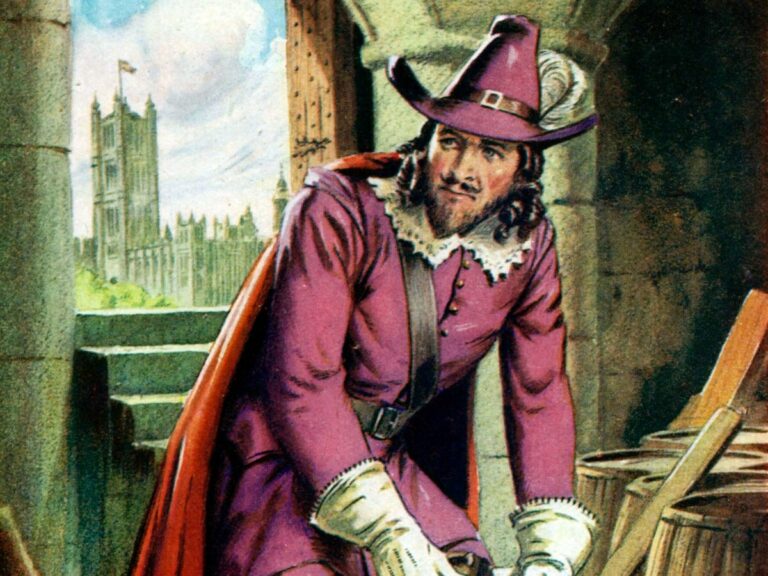
The speaker this month, Andrew Rowe, asked the question, ‘Are we burning the wrong Guy?’ Actually, Andrew asked many questions and began by testing members about more recent happenings, as well as events which occurred in the 17th century. It appeared that we knew more about what happened in the 1600s than we did about what had happened more recently – or did we?
So, where did it all begin? Andrew suggests that it started with Henry VIII leaving the Catholic church. This created much fear and distrust throughout the country. Catholics were vilified and killed. The killing carried on under the rule of Mary (300 Protestants were burned at the stake) and Elizabeth I (200 Catholics were executed). By 1593, Catholics could travel only 5 miles from their home, forfeited any property and had to register as a Catholic.
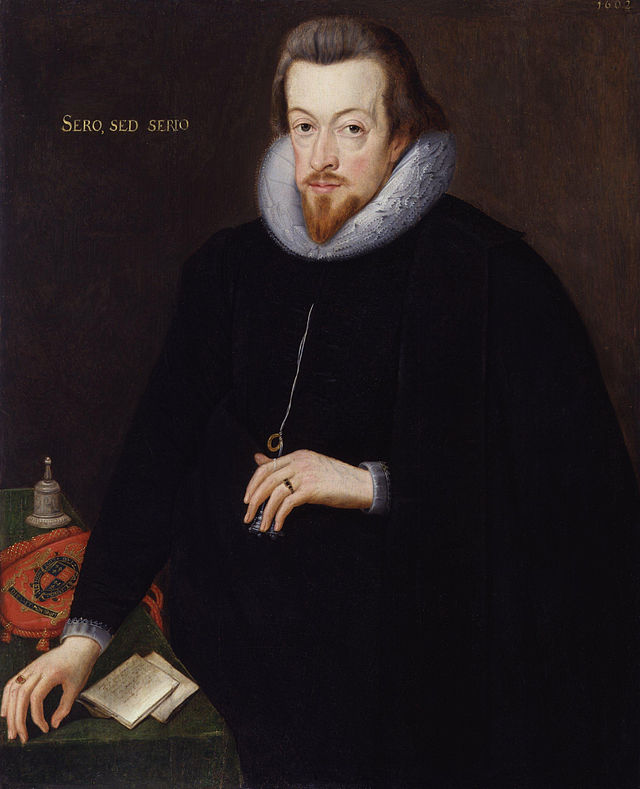
One of Elizabeth’s spymasters, William Cecil, had a son named Robert and this is the man whom Andrew thinks is the ‘brain’ behind the Gunpowder Plot. He was knighted in 1591 and later became a Privy Councillor – hence becoming extremely powerful. His nickname was ‘The Fox’.
On Elizabeth’s death in 1603, James VI of Scotland also became James I of England. Cecil was worried that he would be rejected by the new monarch (his name was on James’ mother’s death warrant) and needed an important event to prove that he was indispensable.
Andrew proposes that Cecil may have previously forged a deal with Robert Catesby, who by this time was hatching a plot and needed a gunpowder expert. Enter, Guy Fawkes, a Catholic convert who joined the band of conspirators.
Andrew completed his talk with more questions? Who benefited from the Gunpowder Plot? How did Catesby get enough of the right men? How did they acquire and move 36 barrels of gunpowder, (2 would have been enough), when it was all locked up in the Tower of London at that time? How did they store it under Parliament? How did they maintain secrecy? Why was Parliament postponed so many times in one year? Why was a cellar under Parliament rented to a Catholic sympathiser? How did 200 soldiers find, and march to, the house in Staffordshire where the conspirators were hiding in only 3 days?
The answer to all the questions, Andrew maintains, is Cecil. He is the only person to benefit throughout. He was the only one with the power to carry it all out. Cecil became the ‘hero’ and most of the conspirators were gruesomely killed, including the gunpowder expert, Guy Fawkes.
This was an extremely well- researched and interesting presentation which asks questions about an event which has always been attributed to Guy Fawkes. Andrew certainly gave members a great deal to think about and maybe change their minds.
There will be no meeting in December and the January meeting will be registration, where you can pay for membership and meet many of the group leaders. For next year’s meetings, please see the website. https://northwichu3asite.uk